Sep 10th, 2025
In all fields, ranging from construction and manufacturing to health care and corporate buildings, safety has been a major concern. One accident can make a company lose money, face lawsuits, and damage its reputation. Most importantly, it can affect lives forever. This is why safety management is a critical function in today’s workplaces.
For modern businesses, safety management is not just about fulfilling compliance requirements; it’s about building a culture where employees feel safe, supported, and confident in their work environment. In this blog, we’ll explore the fundamentals of safety management, its importance, key elements, and how organizations can leverage modern tools like interactive videos and digital training to achieve better results.
Safety management is the structured process of recognizing, evaluating, controlling, and constantly enhancing workplace safety measures. It is a mix of policies, training, oversight, and proactive measures aimed at decreasing the potential for risks and accidents.
An SMS generally consists of these fundamental functions:
Organizations that embrace systematic safety management prove that staff well-being is their core concern.
The modern workplace is confronted with more risks than ever before—sophisticated equipment, emerging technologies, tight deadlines, and multicultural workers operating under stressful conditions. A good safety management plan guarantees:
Companies that do not make the investment in safety management commonly experience greater turnover, constant interruptions, and long-term damage to reputation.
It does safety better than lists and documents by themselves. It contains:
Regular inspections help to reveal potential hazards, from faulty equipment to hazardous work practices. Once revealed, risks are ranked by severity and addressed before injury occurs.
Workers should be given proper knowledge to manage workplace hazards. Up-to-date training programs implement interesting strategies—in the form of simulation, e-training, and safety video animation—to make sure the worker maintains the acquired knowledge and respond promptly to situations of emergency.
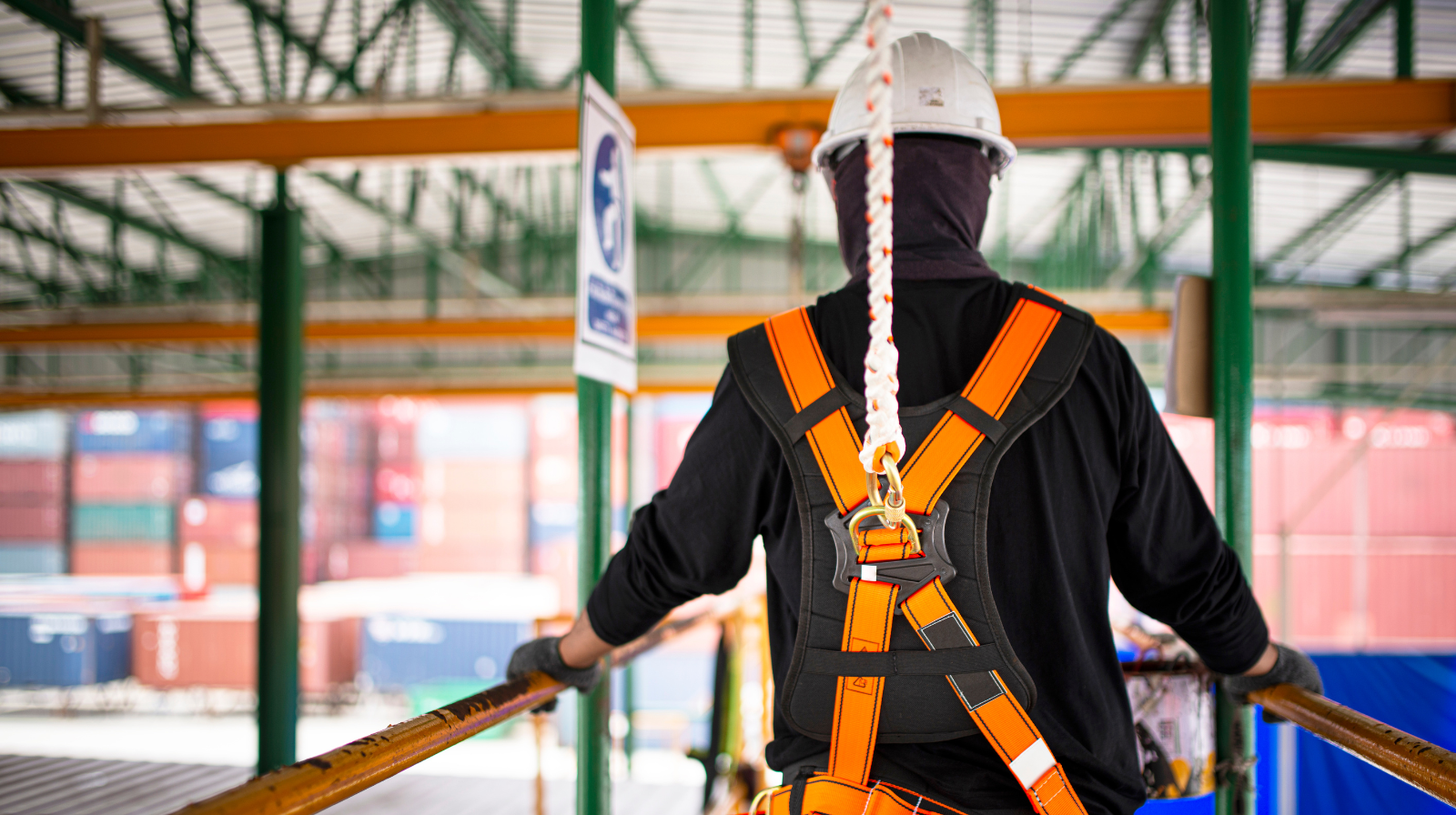
workplace safety PPE
A company should maintain written policies, procedures, and records. This ensures clarity, accountability, and proof of compliance during audits.
Work sites should have fire drills, evacuation plans, readiness for first-aid, and emergency communication strategies.
from AI-based monitoring systems to interactive dashboards, technology is transforming the way safety management happens. Companies are able to monitor safety data in real-time and react sooner to opportunities for hazard.
Safety is always dynamic. Companies have to constantly revise systems, adopt innovation, and draw lessons from close calls to foster a mindset of constant self-improvement.
Training is the most influential instrument of ensuring the safer workplace. An exemplary policy of safety without the awareness of the staff has zero impact.
After-on-the-job training programs utilize lectures and printed manuals, and these are not always appealing to the modern workforce. Businesses have therefore been turning to interactive learning technologies, including the use of video-based learning, game-based elements, and scenario-based simulation.
Interactive training is not only more engaging but also ensures employees remember what they learn. For instance, animated safety videos can visually demonstrate accident scenarios, showing employees how to react in real time. This kind of learning is far more impactful than reading a handbook.
If you are an HR pro or business leader looking for the finest safety training near me solutions, your answer is straightforward: team up with someone who blends creativity and compliance—to make your labor force both educated and enthusiastic.
Here at Interactivv.com, we are dedicated to the creation of bespoke safety administration systems that revolutionize the manner by which businesses engage with people. Our focus remains the simplification of intricate safety processes by means of interactive communication and visual learning.
Here’s how we assist:
By combining creativity with compliance, we ensure that employees don’t just learn safety—they live it.
It is not only the systems and the training, but the culture. Employees must feel open to reporting hazards, offering feedback, and holding the responsible individual responsible. If the leadership makes safety commitments, the workers make commitments as well.
Having a safety-first culture entails:
When safety comes into the sphere of the everyday mind, jobs are safer and yet more productive.
Safety management is a long-term investment, and it centers on people, performance, and profitability. For business companies, safety precedes everything since they save lives, manage risks, and gear towards the future. Business ventures use interactive videos, animations, and computer-based training modules to build and maintain the safety culture.
At Interactivv.com, our mission is to enable companies to construct smarter, safer worksites through better training technologies. If you are involved in the construction, manufacturing, healthcare, or corporate industry, our safety technologies are tailored to your requirements.
Where safety matters, prevention is better than cure—and the right safety management procedure can be the difference between life and death.
In all fields, ranging from construction and manufacturing to health care and corporate buildings, safety has been a major concern. One accident can make a company lose money, face lawsuits, and damage its reputation. Most importantly, it can affect lives forever. This is why safety management is a critical function in today’s workplaces. For modern […]

Fill out the form below and we will send you a quote today…
Copyright © 2025 Interactivv.com. All rights reserved.

